Vending Machine Partnerships: What Business Owners Should Know
The commercial pitch takes two minutes. The part that decides whether a placement is a good idea for your business is the operating detail underneath it: who has keys, who carries insurance, who is liable when something goes wrong, and how the arrangement ends.
November 7, 2026 · 8 min read · Province & Vend
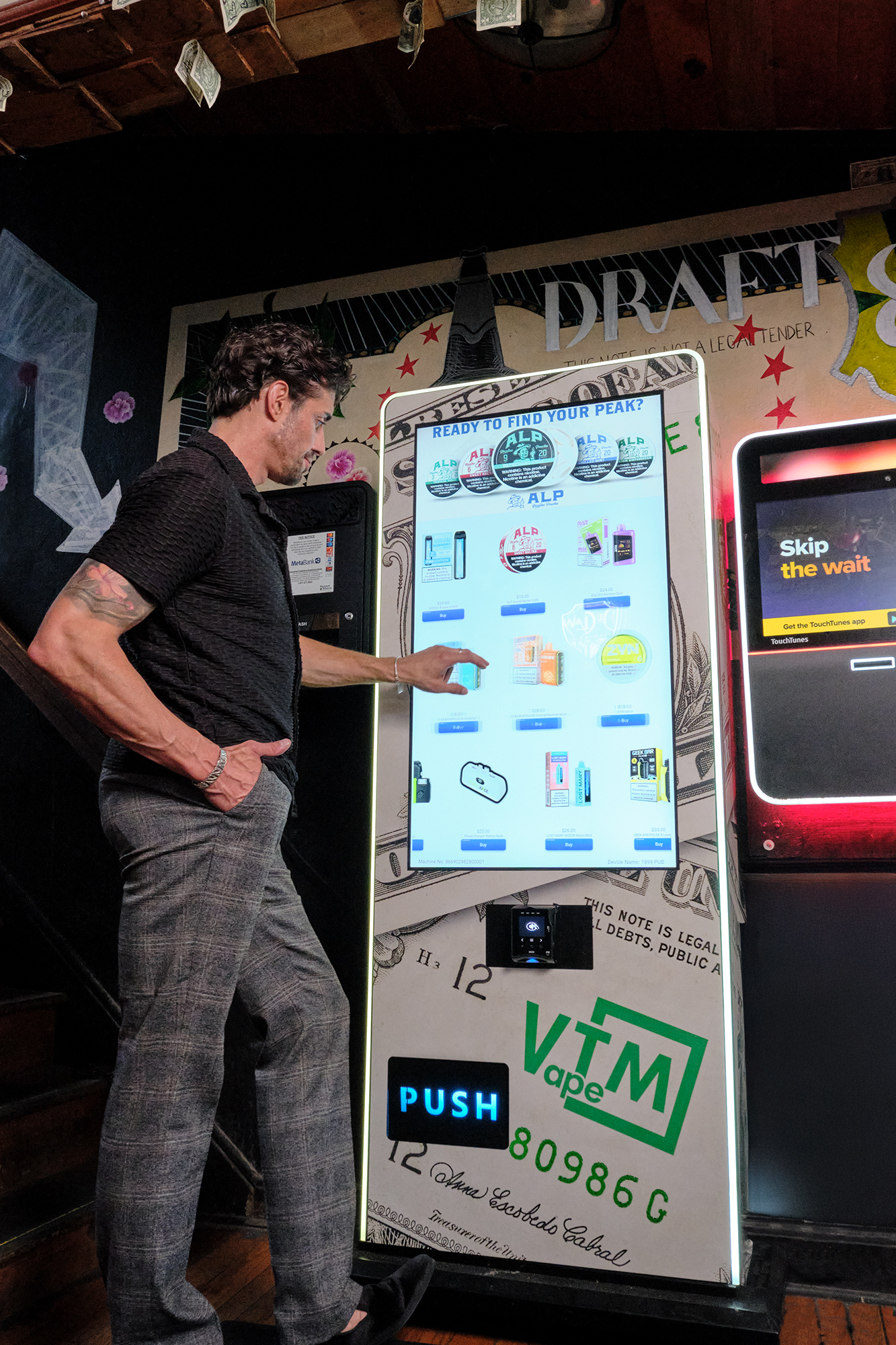
A vending machine in your building is a small retail operation running inside your business. It brings customers, equipment, stock, service visits and a set of obligations. Most of those sit with the operator, but not all of them, and it is worth knowing which is which before you sign.
This is the checklist we would want if we were the host rather than the operator.
Start with eligibility, not the machine
The first question is what your location is legally able to host. Sealed trading card product is general-audience retail and fits most commercial settings. Vape product is different: federal restrictions on vending the category apply, Illinois adds retail and licensing requirements, and municipalities can be stricter still.
A responsible operator asks about licensing and venue type before discussing hardware. If an operator offers to place an age-restricted machine in a convenience store with no age control at the point of sale, that tells you how they handle everything else.
- Card vending: general-audience retail, family venues, entertainment, convenience, malls
- Vape vending: licensed, age-controlled venues only, with verification at the machine
- No placement where local rules or your lease prohibit the category
The paperwork a property will ask for
Larger properties, and most landlords, want a certificate of insurance naming the arrangement, vendor documentation, a placement plan with dimensions and power requirements, and a named contact. Getting that pack together up front is the difference between a two-week install and a two-month one.
If you lease, check whether unattended retail requires consent or an addendum. It is much easier to ask before the machine is ordered than after.
Access, service windows and keys
Somebody has to let the technician in, and that visit has to happen at a time that does not cost you money. Agree the window in writing, agree who the contact is, and agree what happens if that person is on holiday.
Ask who holds keys and how access is logged. In most placements the operator does not need a key to your premises, only supervised access during the window. If a proposal asks for unrestricted access, that is worth pushing back on.
Restock cadence
The machine reports its own stock, so visits should be driven by data rather than a fixed calendar. Ask how often, and ask what happens around a product release or a busy season.
Out-of-hours access
If your venue trades late, a service visit at 2am is not actually convenient. Service should fit your quiet periods, not the operator's route.
Liability, damage and theft
The equipment belongs to the operator and should be insured by the operator. If the machine is damaged or broken into, the report, the repair and the replacement should sit with them. Your insurance should not be asked to cover somebody else's cabinet.
Product loss is a related question. In a revenue share, the operator owns the inventory, so product theft and expired stock are their cost. That is also why a good operator is particular about anchoring and placement.
Money, and how it is evidenced
Agree what the host share is a percentage of, how it is generated, when it is paid and what a statement looks like. The cleanest version is a share of gross sales, reported from the machine's own transaction records on a fixed date.
Refunds and failed dispenses should be accounted for explicitly. A sale that was reversed is not revenue, and the host share should reflect that.
- Percentage of gross sales, defined precisely
- Report drawn from machine transaction data, not a manual tally
- Refunds and reversals treated consistently
- Payment cadence, method and statement format agreed in advance
What your team is actually committing to
In a well-run partnership it is very little: keep the unit in normal line of sight during rounds, let the technician in during the agreed window, and pass along anything a customer raises. There should be no operation, no reconciliation and no restocking.
If a proposal includes staff duties, ask what they are and whether the host share reflects them. Some arrangements do include a staffed element, and that is fine as long as it is priced honestly.
Ending the arrangement
Every agreement should say how either side exits, with what notice, and how quickly the equipment is removed and the space made good. A placement that cannot be exited is a lease with a different name.
A serious operator will not resist that clause. If performance is the product, exit terms are not a threat.
Partner with us
Have a space that fits?Let's look at it.
Tell us the address and what the room is like. We'll tell you whether it works there, and what a partnership would look like. No pressure, and no cost to you.
A short inquiry form · Answered by our family team