How Automated Retail Improves Customer Convenience
Convenience is not a mood, it is a set of removed obstacles. Automated retail removes four of them at once: the need for a person, the need for cash, the need to wait, and the need for the shop to be open when the customer is.
November 10, 2026 · 6 min read · Province & Vend
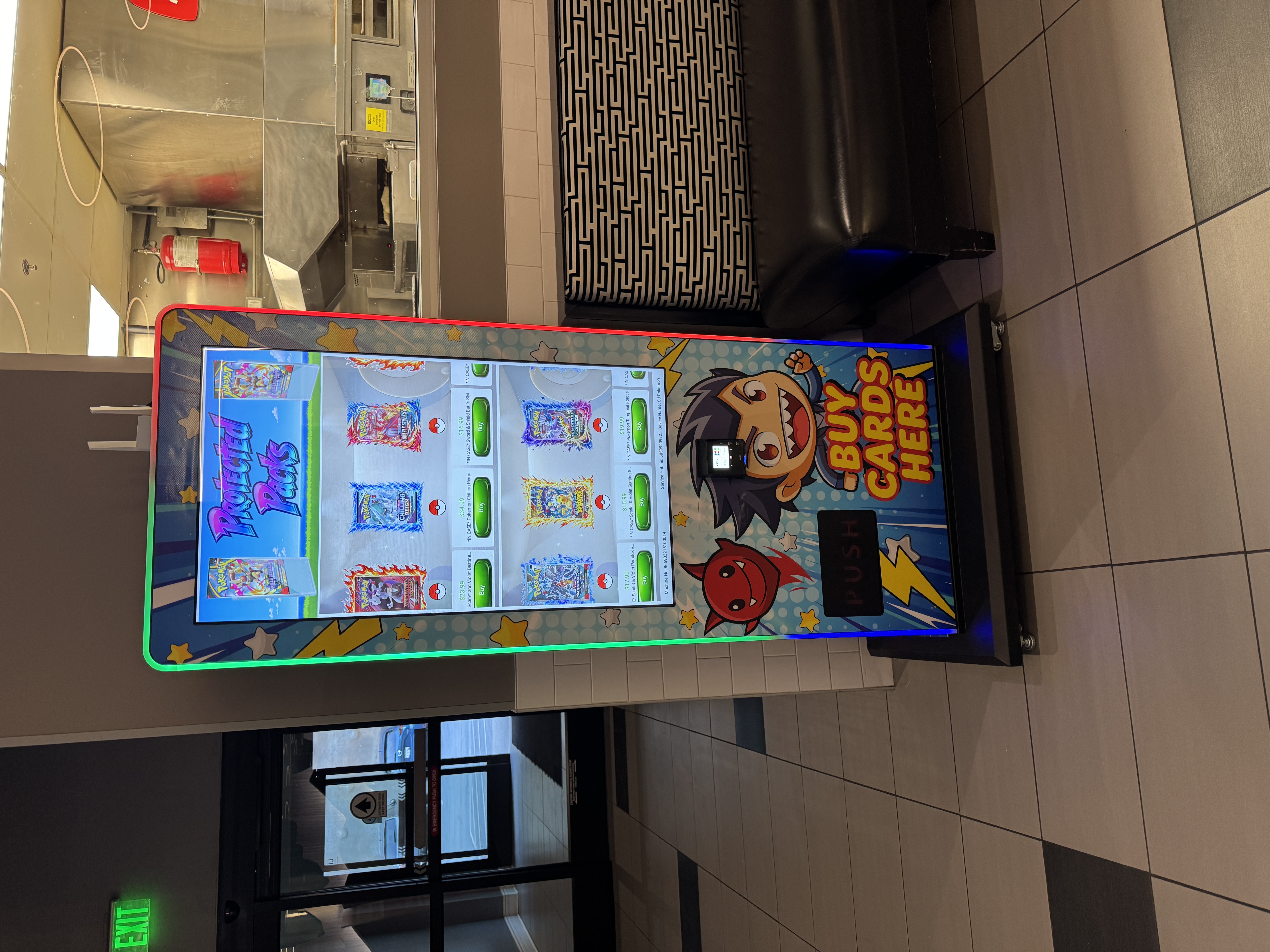
Most conversations about vending focus on the operator's economics. That is understandable, but it is not why customers use the machines. They use them because the transaction is short and it is available.
Here is what that looks like in practice, from the customer's side of the glass.
Availability outside the counter
A staffed counter has opening hours and a queue. A machine has neither. In a venue that trades late, or a store with one person on shift overnight, the machine sells when the alternative is not buying at all.
That is not a marginal improvement in a convenience store at 2am, or in a bar at closing time. It is the difference between a category being available and not existing.
Shorter transactions, less friction
The customer selects, pays and takes the item. There is no explanation, no upsell, no card minimum and no need to find a staff member who knows where the product is kept.
For an audience that already knows what it wants, that is faster than the counter. For a collector who came in specifically for a current sealed set, the machine is often the only place the product is reliably present.
Cashless by default
Tapping a card or phone removes the cash step entirely. It also removes the awkward case where a machine cannot make change for a note.
Predictable pricing
Prices are on the machine, per product. There is no ambiguity about how much a pack costs today, which matters in a category where market pricing moves.
A controlled product environment
Card product on an open peg is handled, dropped and sometimes opened before anyone buys it. In a cabinet, it is stored flat, out of reach, behind glass, and sold sealed. That is a genuine customer benefit, not just an anti-theft measure.
Collectors care about the condition of what they buy. A sealed pack that has not been sitting in a basket under a till is worth more to them, and they know it.
Where the convenience argument is weakest
Machines fail at the one thing a person does well: exception handling. If a customer wants advice, a recommendation or a conversation, an unattended cabinet cannot help.
That is why the category works best alongside staff, not instead of them. The machine handles the simple, repeatable transaction; the team handles the questions. A venue that removes its staff and installs a machine in their place has misunderstood the point.
For the host, convenience has a second meaning
The operating benefit to a business is that the category appears without a new hire, a buyer or a stocking schedule. No shift is assigned to sell it, and no shelf is cleared for it.
That is the trade a good partnership formalises: the operator carries the equipment and stock, the host provides the location, and customers get a shop that is always open in a corner of somewhere they were already going.
Partner with us
Have a space that fits?Let's look at it.
Tell us the address and what the room is like. We'll tell you whether it works there, and what a partnership would look like. No pressure, and no cost to you.
A short inquiry form · Answered by our family team